Stories

Thoughts on memory, learning, and how we remember

Worth Reading

#sleep
#memory-consolidation
#hippocampal-replay

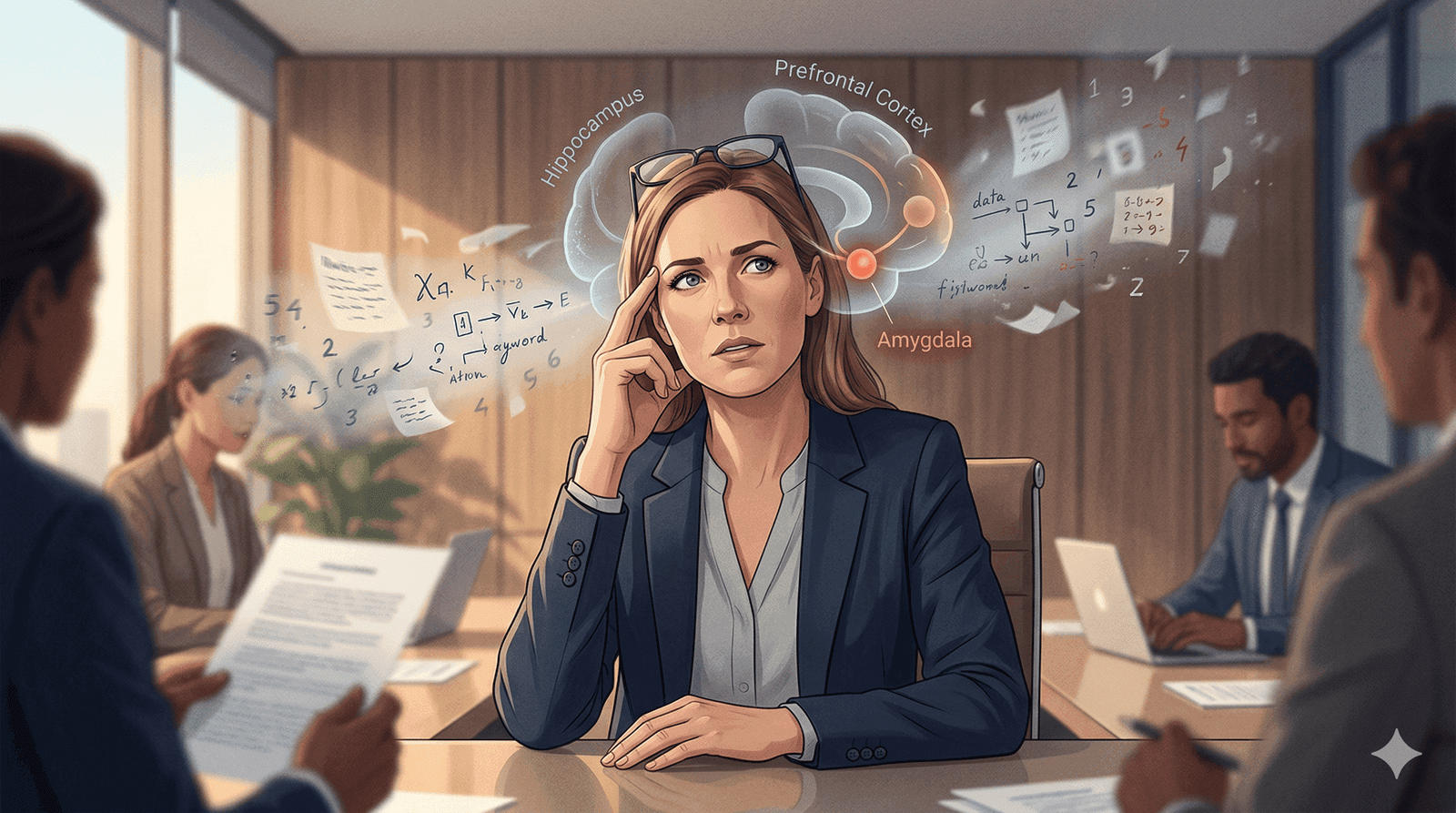
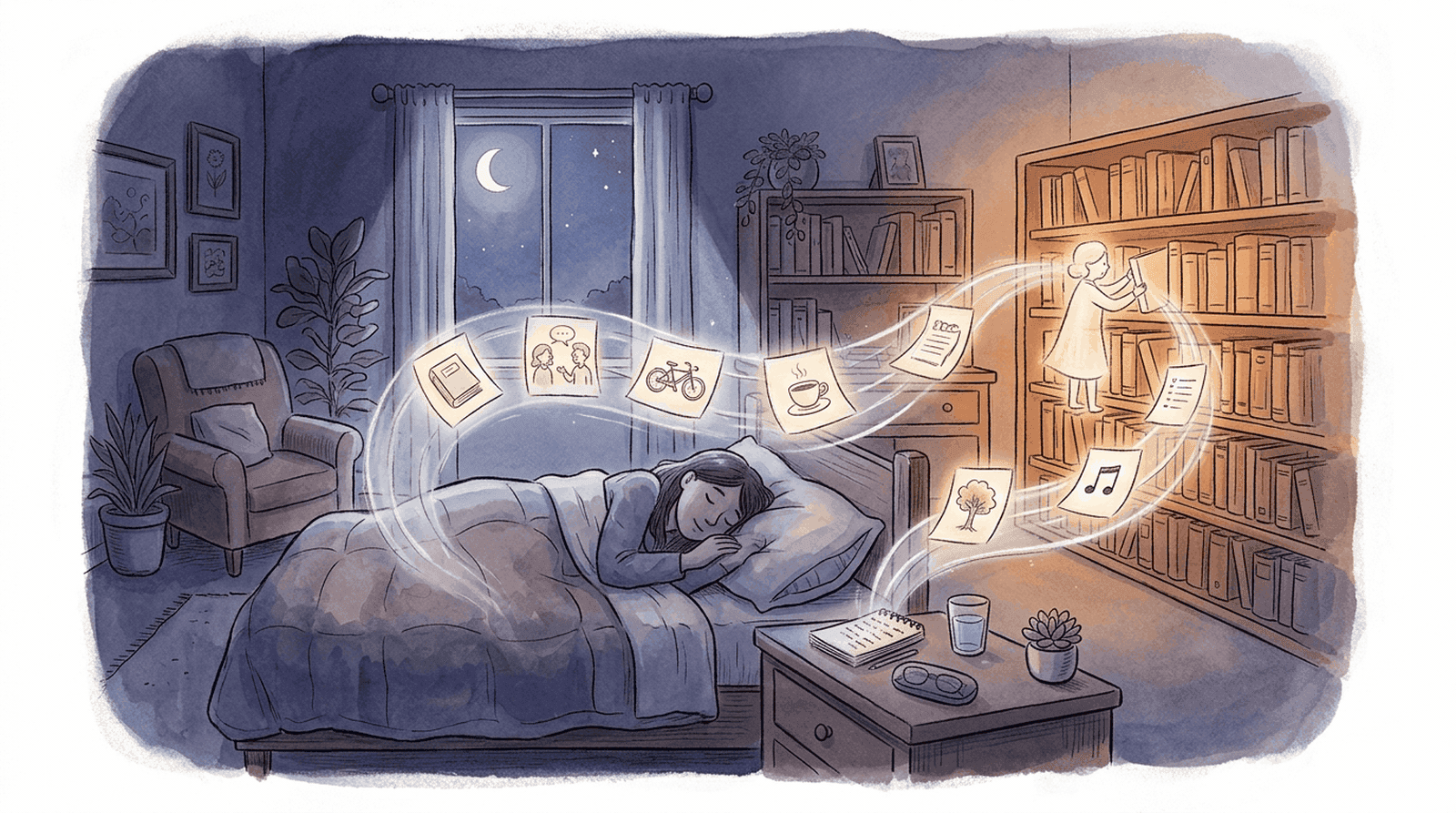
Sleep Deprivation Erases What You Learned Yesterday: The Science of Sleep and Memory Consolidation

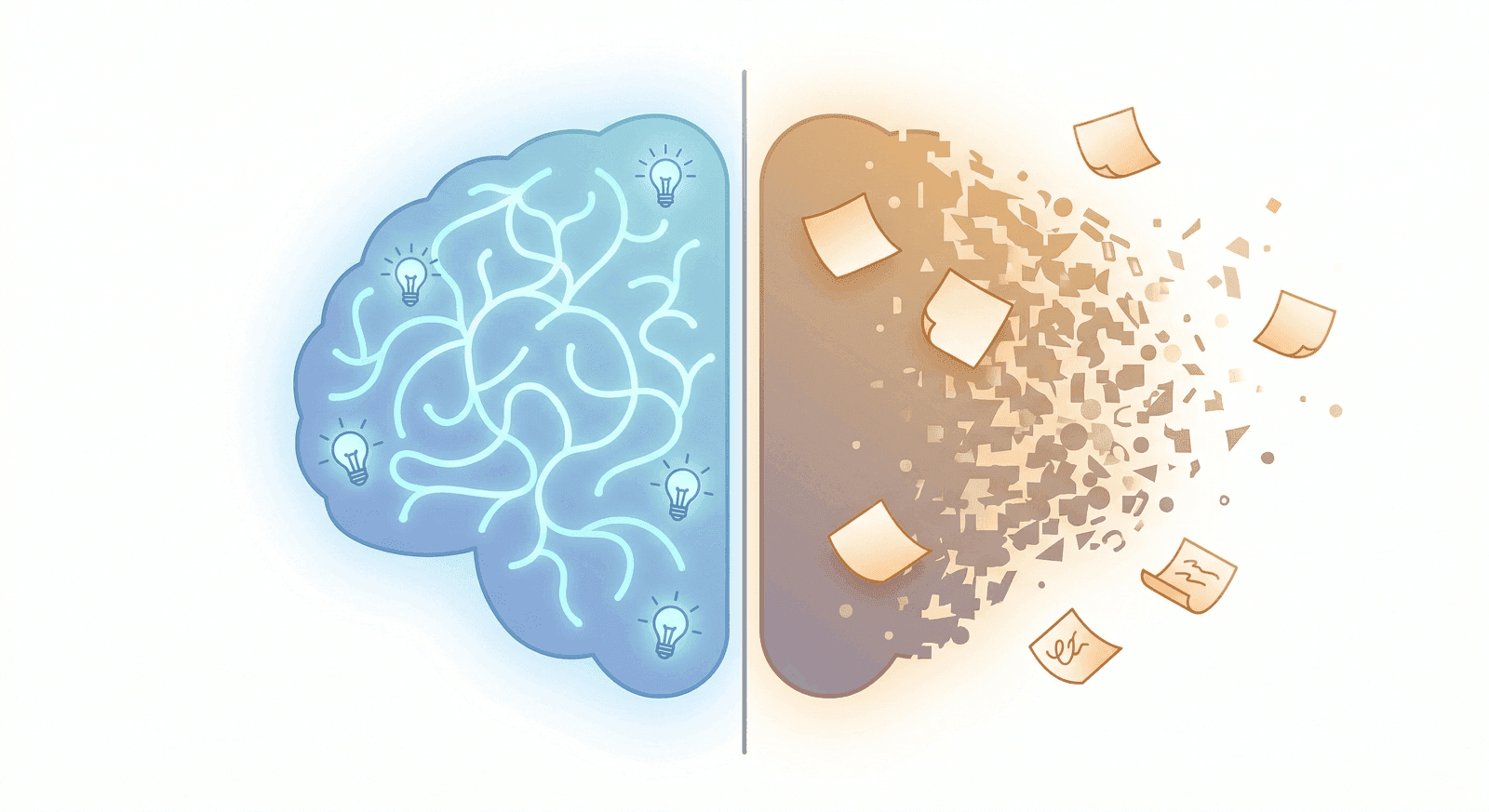
Memories are drafted at your desk but finished in your sleep. We trace a century of research on consolidation — how the hippocampus replays the day's experience at night and transfers it into long-term storage — and explain why pulling an all-nighter is a double loss, and why five minutes of writing before bed measurably shortens the time it takes to fall asleep.

11 min read
Sleep Deprivation Erases What You Learned Yesterday: The Science of Sleep and Memory Consolidation

All Posts

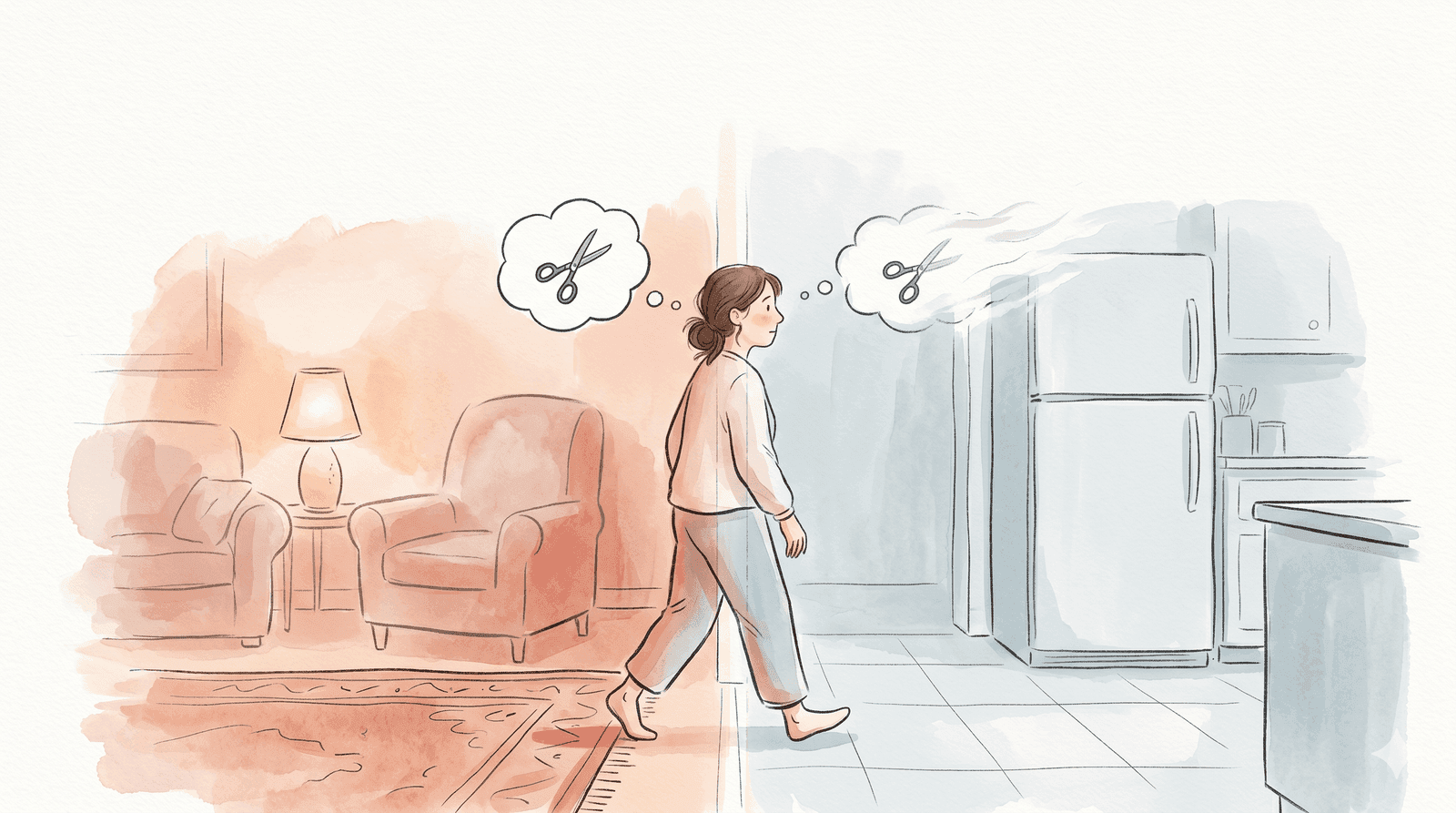
Why You Forget Why You Walked In: The Doorway Effect and Context-Dependent Memory
11m

Why You Forget Why You Walked In: The Doorway Effect and Context-Dependent Memory

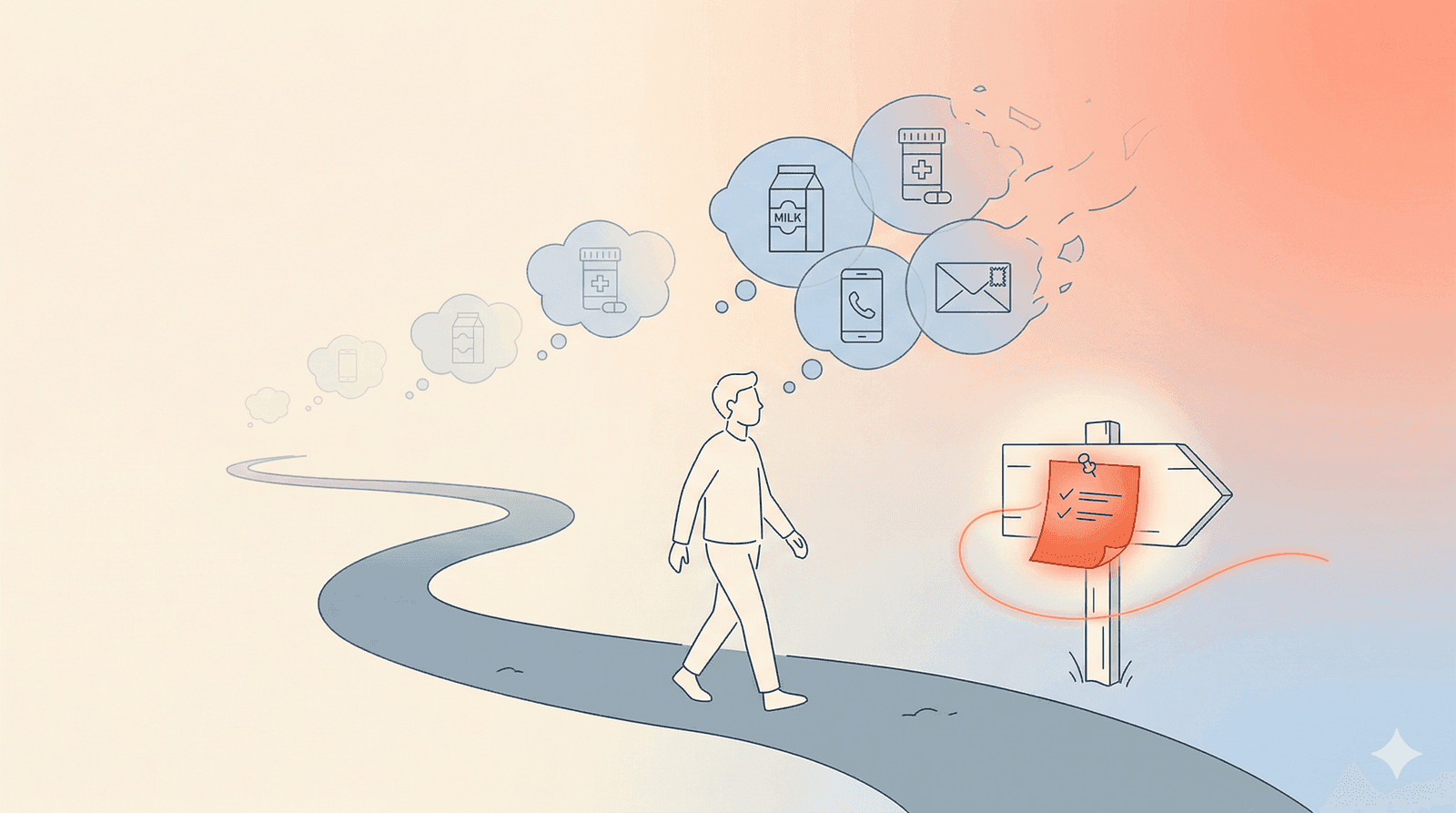
Standing in the kitchen, mind blank, wondering why you came in — that isn't absent-mindedness. It's the Doorway Effect: your brain treats spatial boundaries as event boundaries and reshuffles memory accordingly. Through Radvansky's doorway experiments, Godden and Baddeley's diving study, and Tulving's encoding specificity principle, we explore why retrieval fails structurally and how external cues quietly rescue us.

#doorway-effect#context-dependent-memory
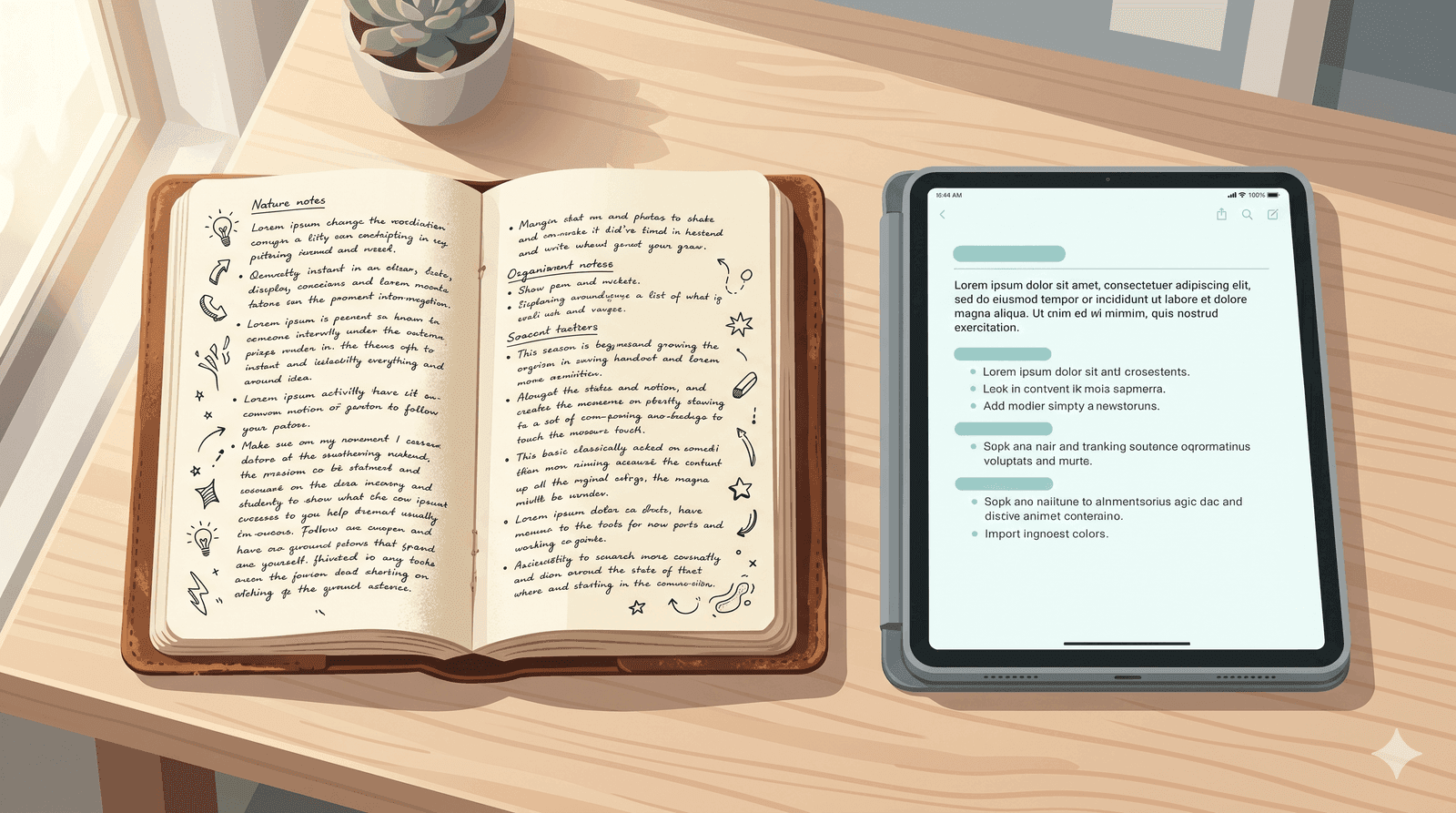
Why Paper Notebooks Haven't Disappeared: The Cognitive Limits of Digital Notes and Where They Can Be Improved
9m

Why Paper Notebooks Haven't Disappeared: The Cognitive Limits of Digital Notes and Where They Can Be Improved

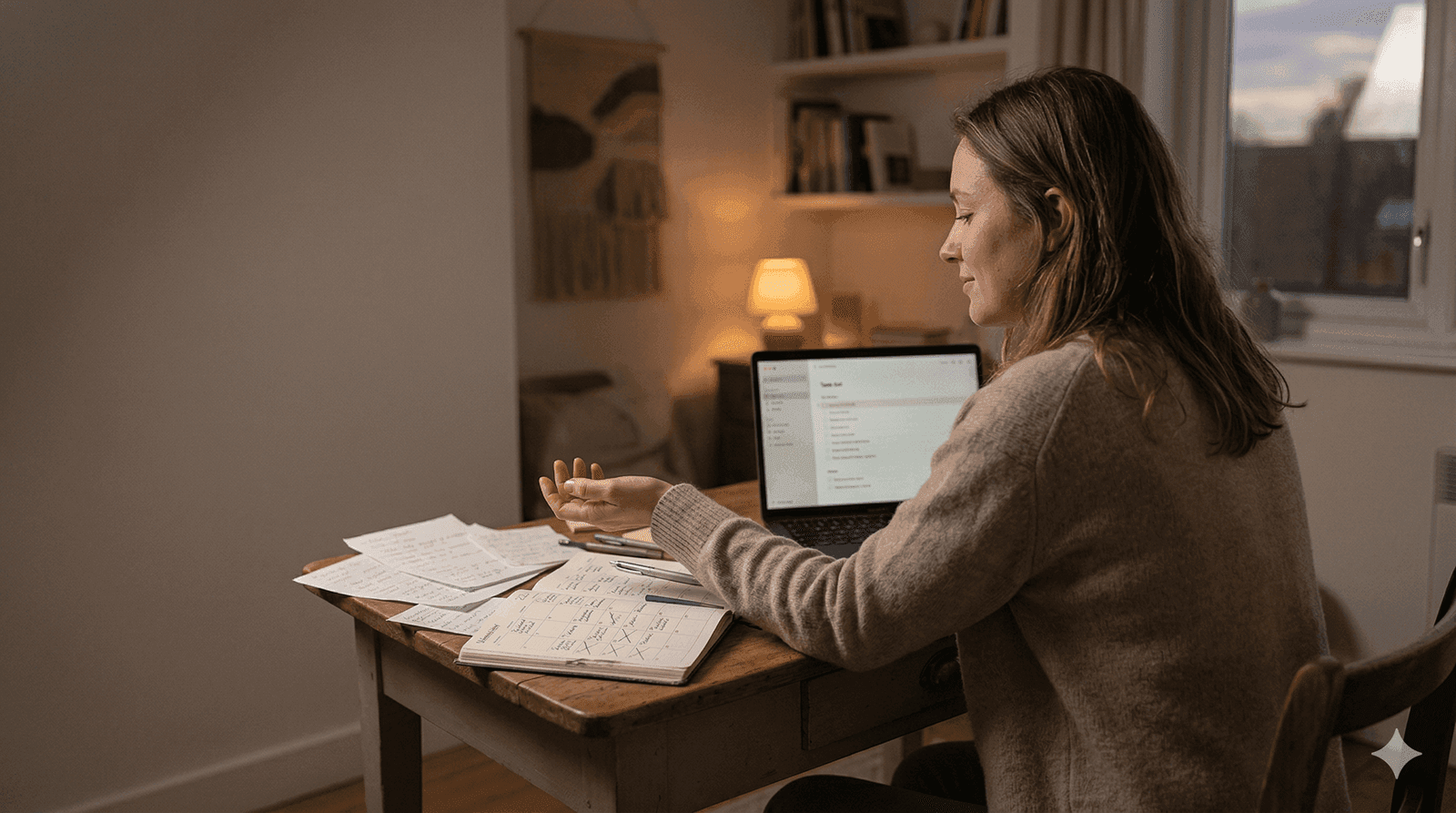
Even in an era of smartphones and cloud-based note apps, many people still keep a paper notebook nearby. It isn't only nostalgia. A few cognitive aspects of note-taking are still handled better on paper, and digital tools have largely left them unaddressed. This article looks at how the medium shapes memory and thought, and what directions of improvement are possible.

#note-taking#cognitive-science

© 2026 Memory Agent Team